
Mastering Pelvic Stability to Unlock Peak Athletic Potential
페이지 정보

본문
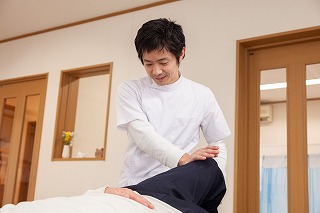
For many athletes, the importance of pelvic stability often goes unnoticed although it serves as the essential link for optimal biomechanics . This central region acts as the essential bridge between the upper and 米子 肩こり lower body, channeling power from the lower limbs to the trunk and back .
When the pelvis remains stable during dynamic actions like sprinting, jumping, or lifting , energy flows smoothly through the kinetic chain . However, instability here creates energy leaks that sap performance and increase injury risk .
Consider a sprinter pushing off the ground; when pelvic alignment falters under force the force from the leg muscles becomes scattered instead of focused . Instead, energy dissipates through unnecessary movements , diminishing burst capacity and overall speed . Similarly, in weightlifting, lack of pelvic rigidity limits expression of lower-body potential, restricting the maximum load they can manage .
This inefficiency isn't just about performance—it's a core failure in neuromuscular sequencing .
Beyond power, pelvic instability is a major root of overuse pathologies . When the pelvis demonstrates insufficient dynamic restraint, adjacent joints like the knees and lower back become overloaded through misdirected energy . For instance, downward pelvic tilt in gait frequently precipitates lateral knee inflammation or anterior knee pain , while rotational instability often leads to lower back strains .
These issues frequently stem from insufficiently activated stabilizing musculature , including the glutes, hip flexors, and deep core stabilizers .
Strengthening pelvic stability requires more than just traditional core exercises such as sit-ups . Effective training focuses on movement-based protocols targeting neuromuscular coordination— including clamshells, plank-to-knee-tucks, and bear crawls . These exercises reinforce neuromuscular memory for pelvic neutrality.
aligning joint mechanics to prevent energy waste . Over time, this results in fluid, explosive biomechanics and sustained resilience against athletic trauma.
Ultimately, pelvic stability isn't a niche concern—it's foundational to athletic success . By prioritizing this systematically disregarded core principle, athletes unlock greater power, efficiency, and resilience in their training and competition . Ignoring it risks both performance plateaus and chronic injuries , making deliberate pelvic strengthening critical to achieving elite status .
- 이전글check backlinks 26.04.23
- 다음글Как защитить аккаунт на криптобирже: надежные пароли и VPN 26.04.23
댓글목록
등록된 댓글이 없습니다.